.svg)



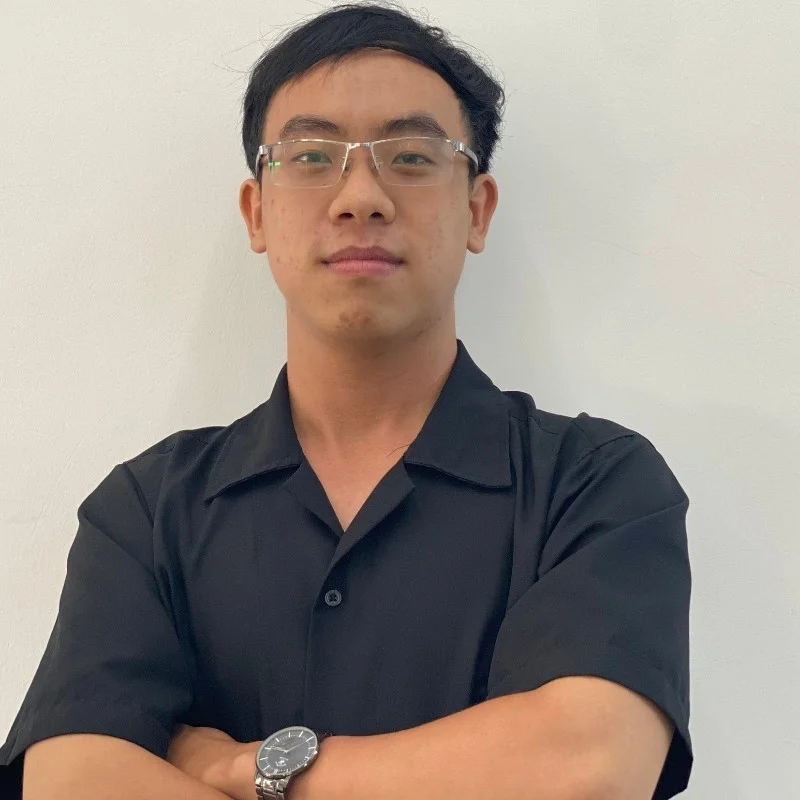
Recently, I had the pleasure of sitting down with Cristiano Caetano, VP of Product at Katalon, to explore his journey in software testing.
It was a path that began with frustration, evolved through innovation, and now looks toward an exciting AI-driven future. Cristiano's insights shed light not only on his personal career path but also on the broader evolution and future of software testing.
Act I – The Past: Discovering the Importance of Quality
Cristiano didn’t begin his career in testing; instead, he found his way there out of necessity.
In the late 1990s, working as a developer, Cristiano regularly faced the harsh reality of releasing software riddled with bugs. The first nine to ten years of his career were focused on development. His team was building buggy software with low quality, since testing wasn’t part of their process, which led to customers being frustrated.
That's when Cristiano decided he must solve this.
This frustration was pivotal. It became a catalyst for him to dive deep into testing as a new and promising career.

He advises anyone stepping into QA today: "Testing is a craft by its own. You need to deeply learn the underlying principles, processes, and tools to think and act like a professional tester."
Act II – The Present: Leading Through Innovation with TestOps
Fast forward two decades, and Cristiano’s daily focus has shifted toward test management, specifically the rapidly evolving discipline of TestOps.
At a small startup, managing tests in a spreadsheet is sufficient. But once you're juggling dozens or hundreds of testers, complex pipelines, and global releases, you need a robust platform.
TestOps is an approach that aligns testing practices with the continuous delivery culture of DevOps. According to Cristiano, traditional test management tools mainly supported manual testing processes. TestOps, however, addresses the need to integrate continuous testing, manage automation effectively, and align seamlessly with the rapid pace of DevOps cycles.
When asked about the importance of using AI in test management, he believes that it plays an integral role, but only when it genuinely solves real-world issues.
TrueTest, for instance, blends proprietary machine learning and generative AI to address common pain points such as test flakiness and lengthy test case development times.
Act III – The Future: Embracing "AI Testing AI"
Looking ahead, Cristiano envisions a landscape radically transformed by AI.
With AI tools increasingly generating large portions of code, QA faces new challenges.
That means AI will never fully replace human testers. Instead, he predicts a significant shift in their roles. "Automation should remove repetitive tasks, freeing testers to focus more on creative, strategic activities. We will always need humans for deep thinking, domain expertise, and collaborative aspects of testing."
Cristiano highlighted the potential shift in the role of testers: "Maybe ten years from now, Katalon’s mission will revolve around ensuring seamless digital experiences, not just checking whether software functions correctly."
Final Reflections
Cristiano’s story provides a fascinating narrative of a career shaped by continuous evolution, curiosity, and strategic vision. From his early days of frustration with poor software quality, through innovations in test management and AI integration, to anticipating a future dominated by AI-driven testing methodologies, Cristiano’s journey mirrors the broader evolution in software quality assurance.
As we continue exploring the future of quality assurance, Cristiano’s insights will undoubtedly guide the evolution of Katalon and inspire broader conversations within the industry. The story of quality assurance is still being written, and Cristiano Caetano is certainly among those shaping its next chapters.
|
